Is integrative medicine good for cancer patients? If you or someone you love has received a cancer diagnosis, this question has probably crossed your mind. And it deserves a straight answer, not a sales pitch, not vague reassurance, and not dismissal.
The short answer is yes, when done properly, integrative medicine offers meaningful, evidence-supported benefits for cancer patients. But the longer answer matters more, because not everything marketed as integrative oncology is equal, and understanding the difference could change how you approach care.
Here is what the research actually says.
What Does Integrative Medicine Mean in the Context of Cancer?
Integrative medicine in oncology refers to the use of evidence-informed therapies alongside conventional cancer treatments such as chemotherapy, radiation, and surgery. The word “alongside” is important. Integrative oncology does not claim to replace conventional treatment. It works with it.
The Society for Integrative Oncology, which publishes clinical practice guidelines used by major cancer centers, defines integrative oncology as a patient-centered approach that combines conventional cancer treatment with evidence-based complementary therapies to improve quality of life, manage symptoms, and support the body’s natural healing capacity.
Major institutions including Memorial Sloan Kettering, MD Anderson, and Johns Hopkins now have dedicated integrative oncology programs. This is no longer fringe medicine. It is mainstream cancer care at the highest levels of the field.
What Does the Research Actually Show?
The evidence base for integrative oncology has grown substantially over the past two decades. Here is what the published research consistently shows across the most studied therapies.
High-Dose Intravenous Vitamin C
This is one of the most researched integrative therapies in oncology. At pharmacological intravenous doses, Vitamin C behaves as a pro-oxidant, generating hydrogen peroxide selectively in cancer cells and inducing cell death while leaving healthy tissue protected. This mechanism is fundamentally different from the antioxidant role Vitamin C plays at lower doses.
Key findings from the published literature include improved survival times documented by Cameron and Pauling in their landmark research on terminal cancer patients receiving IV Vitamin C. Multiple studies have documented reduced side effects from chemotherapy and radiation in patients receiving concurrent IV Vitamin C. Research published in Science Translational Medicine showed that IV Vitamin C combined with chemotherapy significantly improved outcomes in pancreatic cancer patients. A 2024 paper in the Journal of Orthomolecular Medicine documented a comprehensive protocol using high-dose IV Vitamin C as a central component of metabolic cancer therapy.
The evidence is not perfect and more large-scale trials are needed. But it is substantial, it is growing, and it is published in peer-reviewed journals.
NAD+ Therapy
Cancer and its treatments are profoundly destructive to mitochondrial function, the cellular energy system that the body depends on to repair, regenerate, and fight. NAD+ is the coenzyme that powers mitochondrial energy production and it is severely depleted in cancer patients, particularly those undergoing active treatment.
Restoring NAD+ through intravenous therapy supports cellular energy production, DNA repair mechanisms, and neurotransmitter balance. Patients receiving NAD+ IV therapy during cancer treatment consistently report improvements in energy, cognitive clarity, and resilience that make the treatment experience more tolerable and recovery more complete.
EBOO Therapy
Extracorporeal blood oxygenation and ozonation cycles blood through a medical-grade ozone filtration process outside the body before returning it. The result is a significant reduction in toxic burden, improved cellular oxygen delivery, and a systemic boost to immune function. Cancer cells thrive in low-oxygen, high-toxin environments. EBOO works against those conditions directly and is one of the most powerful systemic support tools available in integrative oncology.
Nutritional and Metabolic Therapy
One of the most significant shifts in integrative oncology over the past decade has been the recognition that cancer cells have a specific metabolic profile. They are heavily dependent on glucose and glutamine for fuel in ways that healthy cells are not. This metabolic dependency creates a therapeutic opportunity.
Ketogenic and fasting protocols that restrict glucose and glutamine have shown meaningful anticancer effects in multiple published studies, both as standalone interventions and in combination with conventional treatment. Research by Thomas Seyfried and colleagues at Boston College has documented tumor growth inhibition and enhanced conventional treatment efficacy when metabolic interventions are used as part of a comprehensive protocol.
A 2024 paper in the Journal of Orthomolecular Medicine formalized this approach into a hybrid orthomolecular protocol targeting what the researchers call the mitochondrial-stem cell connection in cancer, proposing that cancer originates from mitochondrial dysfunction in stem cells and that addressing that dysfunction through orthomolecular and metabolic interventions is both scientifically grounded and clinically promising.
Mind-Body and Stress Reduction Therapies
The evidence for mind-body interventions in cancer care is among the most consistent in integrative oncology. Mindfulness-based stress reduction, meditation, breathwork, and related practices have been shown in multiple randomized controlled trials to reduce anxiety and depression in cancer patients, improve sleep quality, reduce fatigue, and in some studies, positively influence inflammatory markers and immune function.
The American Society of Clinical Oncology now recommends mindfulness-based stress reduction for anxiety and mood disorders in cancer patients. This is not alternative medicine. It is guideline-supported standard of care.
What Should Cancer Patients Be Cautious About?
Not everything marketed as integrative cancer care is safe or evidence-based. There are important cautions every patient should be aware of.
Some supplements can interfere with conventional treatment. High-dose antioxidant supplements taken orally during chemotherapy or radiation may potentially reduce treatment effectiveness by protecting cancer cells from the oxidative damage the treatment is trying to cause. This is different from intravenous Vitamin C at pharmacological doses, where the pro-oxidant mechanism at high blood concentrations selectively targets cancer cells. The distinction between oral supplementation and IV therapy matters significantly in this context.
Unproven treatments marketed as cancer cures are dangerous. Any integrative provider who claims their protocol can cure cancer or recommends stopping conventional treatment should be avoided. The goal of integrative oncology is to work alongside conventional care, not replace it.
Quality of the provider matters enormously. Integrative cancer care should be led or directly supervised by a licensed physician with specific training and clinical experience in oncology support. A wellness coach, nutritionist, or naturopath without medical training is not equipped to manage the complexity of a cancer patient’s care.
How Does Integrative Medicine Help Cancer Patients Specifically?
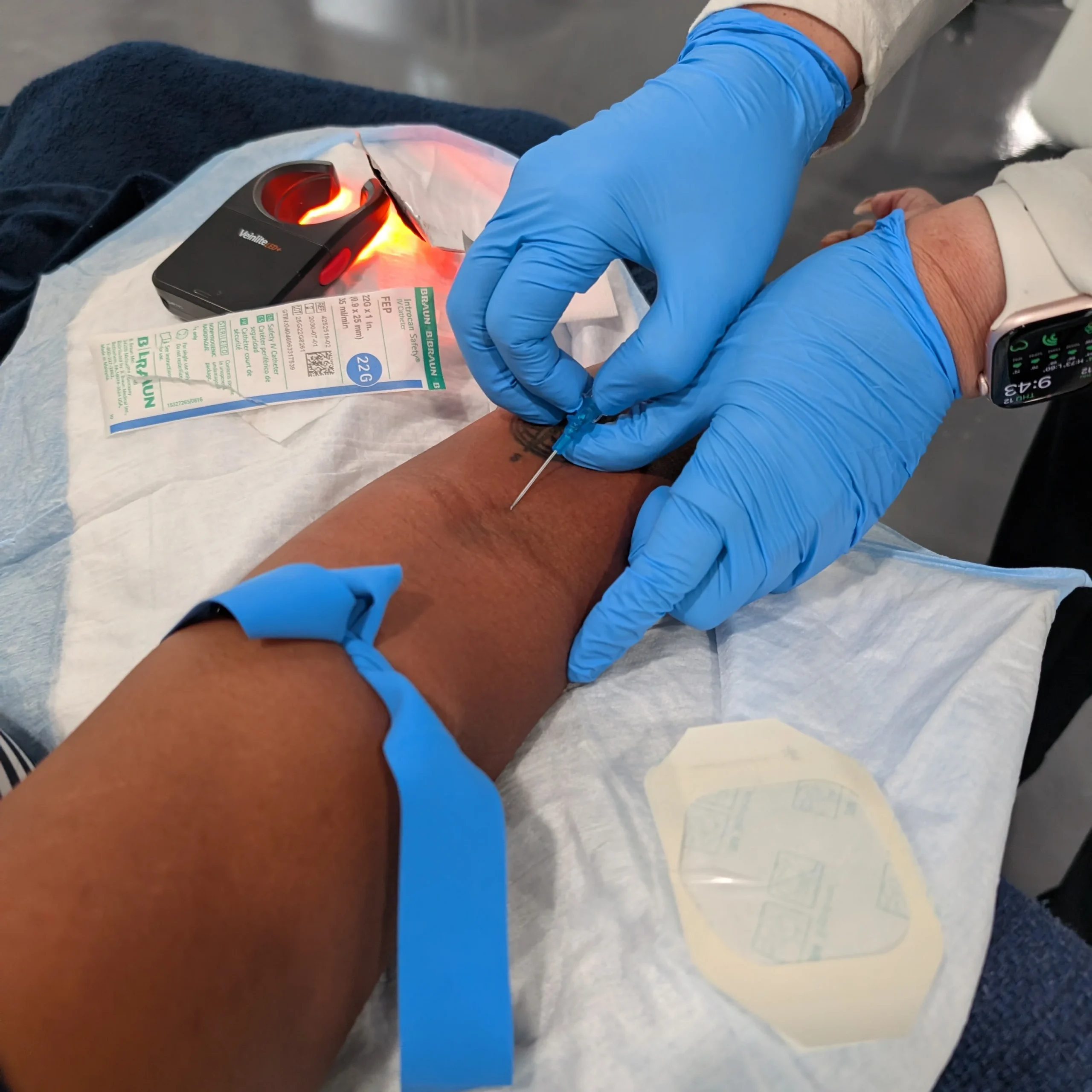
Beyond the specific therapies, the published evidence points to several consistent benefits when integrative medicine is used appropriately alongside conventional cancer treatment.
Better treatment tolerance. Patients who receive integrative support alongside chemotherapy and radiation consistently report fewer and less severe side effects. This is not just anecdotal. It is documented in peer-reviewed research across multiple therapy types and cancer diagnoses.
Improved quality of life during treatment. Fatigue, nausea, pain, anxiety, depression, and cognitive impairment are among the most debilitating aspects of cancer treatment for many patients. Integrative therapies address these symptoms directly and effectively in ways that conventional oncology often does not have time or tools to address.
Stronger recovery between treatment cycles. When the body is better supported nutritionally, metabolically, and systemically, it recovers more completely between chemotherapy cycles and is more resilient going into the next round of treatment.
Support for the whole person. A cancer diagnosis affects every dimension of a person’s life. Integrative medicine takes the whole person into account, not just the tumor, and the evidence shows that this comprehensive approach leads to better outcomes across multiple measures.
What Questions Should You Ask an Integrative Oncology Provider?
Before beginning any integrative cancer protocol, these are the questions worth asking:
- Are you a licensed physician with specific experience in cancer support?
- Will you communicate with my oncology team?
- Are the therapies you recommend grounded in published research?
- Will any of these therapies interfere with my conventional treatment?
- What are the realistic goals of this protocol and what outcomes should I expect?
- What does the intake process look like and what labs do you require?
A trustworthy integrative provider will welcome these questions and answer them directly.
Integrative Cancer Care in Louisiana
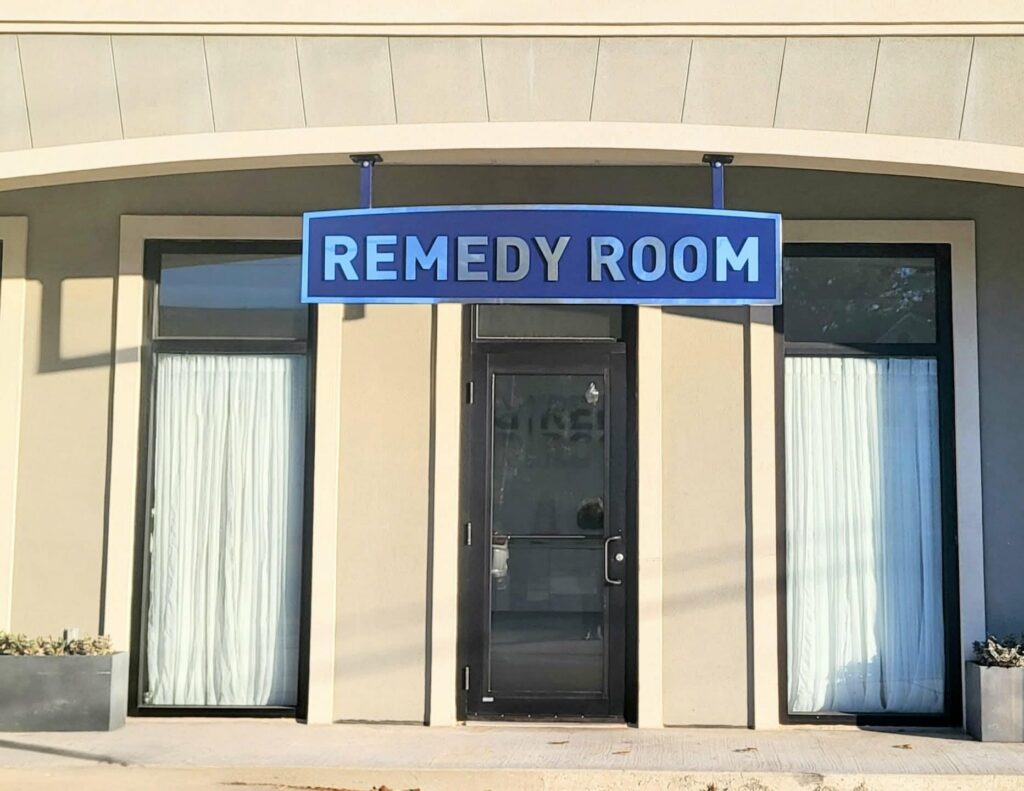
For patients in Louisiana, access to physician-led integrative oncology has historically been limited. That is changing.
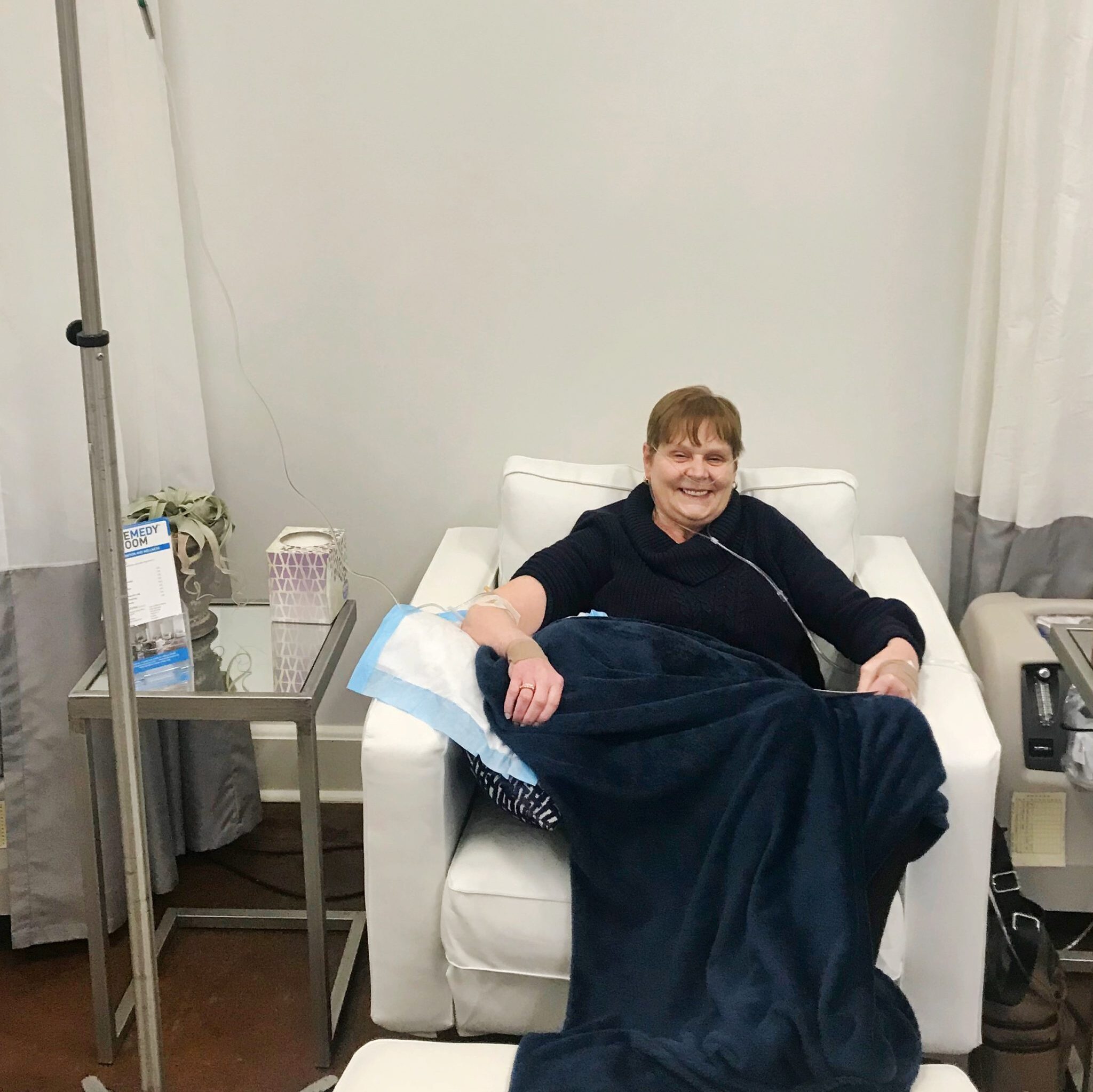
The Remedy Room in Old Metairie, Louisiana, led by Dr. Mignonne Mary, offers one of the most comprehensive integrative cancer support programs in the Gulf South. Dr. Mary brings a depth of experience to this work that is rare. Her father, Dr. Charles Mary Jr., was one of the first physicians in the United States to administer high-dose intravenous Vitamin C therapy, using it on cancer patients decades before it entered mainstream discussion. In 1990 he used it to heal his own colorectal cancer.
In 2024, Dr. Mary was named as a contributing author on a peer-reviewed paper in the Journal of Orthomolecular Medicine alongside Dr. Paul Marik and researchers from institutions across North America and Europe, formally documenting the metabolic and orthomolecular framework her clinic has been applying clinically for years.
Cancer intake consultations at The Remedy Room are held every Monday at $299 and include a comprehensive review of your diagnosis, treatment plan, labs, and goals. Patients travel from Baton Rouge, Lafayette, Shreveport, the North Shore, and across the region for this care.
Book Your Cancer Intake Consultation – $299
theremedyroom.com | 504-301-1670 | 123 Metairie Rd., Old Metairie, LA 70005